
Investment casting is a strong candidate when your part has shapes that would be difficult to machine from solid stock, requires steel, stainless steel, or copper, and can justify a dedicated wax-pattern tool. It becomes less attractive when the design is still changing, the order is very small, or most critical surfaces must be machined anyway.
The decision shouldn’t rest on shape alone. Tooling cost, expected quantity, datum strategy, cosmetic requirements, inspection documents, and delivery timing can change the answer. DS provides custom investment casting services for samples, flexible small batches, and customized mass production, with CNC finishing available where the drawing calls for it.
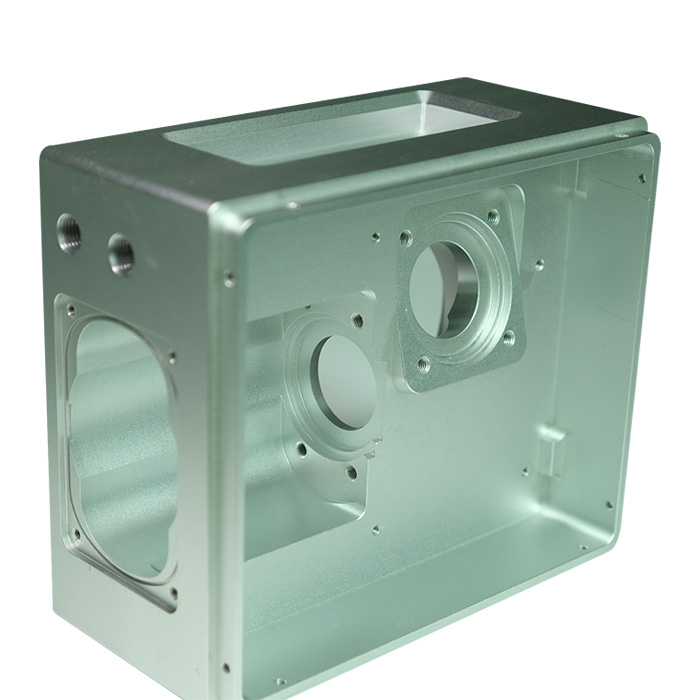
Start with the drawing rather than a preferred manufacturing process. Investment casting can consolidate complex features into one casting, reducing the need to machine separate pieces and join them later. Deep internal cavities, inaccessible features, or geometry requiring complex cores still need an engineering review; “castable” doesn’t automatically mean economical or easy to inspect.
For more background before reviewing a drawing, see DS’s investment casting process articles.
| Decision factor | Investment casting | CNC machining | Die casting |
|---|---|---|---|
| Complex shape | Useful for complex metal geometry that can be formed through wax patterns and ceramic shells | Limited by tool access, workholding, and material removal | Can form detailed geometry, subject to die design and alloy constraints |
| Tooling | Requires wax-pattern tooling | Often avoids casting tooling but needs programming and fixtures | Usually carries a larger die commitment |
| Order profile | Can suit samples, small batches, and repeat production after review | Often practical for prototypes and changing designs | Generally favored when repeat volume supports the die |
| Materials | DS supports steel, stainless steel, and copper categories | Broad choice, subject to machinability and stock availability | Commonly associated with selected nonferrous casting alloys |
| Post-processing | Critical features may still require machining | Features are produced directly by machining | Trimming, finishing, and machining may be required |
For a sample, design maturity matters more than unit price. If dimensions or interfaces are likely to change, machining may avoid an early tooling revision. For low-volume investment casting, ask DS to separate tooling, sample, and production costs so you can see the commitment clearly.
At repeat quantities, casting can reduce machining work and part count, but only if the process remains stable and the drawing distinguishes casting-controlled features from machined ones. Customized mass production also requires an agreed inspection plan, packing method, and schedule.
DS’s investment casting facility was established in 2016. Its stated capabilities cover the casting process, CNC machining finish, inspection, packing, and international shipping. That gives buyers one route from tooling review through finished custom parts rather than treating casting and machining as unrelated purchases.
DS identifies steel, stainless steel, and copper as supported casting categories. Your request should still name the required grade and governing standard. A broad material family isn’t enough to confirm chemistry, mechanical properties, heat treatment, corrosion behavior, or certificate requirements.
If an exact grade is mandatory, send that requirement with the drawing and ask DS to confirm it before tooling begins.
The stated process begins with wax injection. Wax patterns are used to build the form that receives the ceramic shell; shell making and sintering prepare that shell for metal pouring. Melting and casting create the metal part, after which shell removal and blasting clean the casting for subsequent operations and inspection.
Each stage creates different risks. Wax variation can affect geometry. Shell handling can damage fragile features. Metal flow and section changes can contribute to incomplete fill, shrinkage, or distortion. Blasting changes surface appearance but doesn’t replace machining where the drawing requires a controlled functional surface. Production inspection should therefore be tied to named drawing characteristics, not a vague request to “check all dimensions.”
Investment casting with CNC machining is often the practical answer for parts combining complex bodies with precise interfaces. The casting establishes the near-net form; machining finishes features such as threads, mounting faces, bores, or sealing areas. You should identify the functional datums early so the casting allowance, fixturing, and inspection method can be planned together.
DS uses buyer-facing terms including First Article Inspection, dimensional inspection, CMM inspection, and Material Certificate/Test Report. Specify which records you need and which characteristics must appear in the report. CMM inspection isn’t automatically the right method for every surface or feature, so inspection access and fixturing should be reviewed before production. DS also references ISO 9001:2015; buyers with formal supplier controls should confirm the current certificate and applicable scope.
Related CNC machining and finishing resources can help you prepare clearer drawing notes.
Tooling approval is the point where casual assumptions become expensive. Confirm who owns the tool, how revisions are handled, what tool-life or storage terms apply, and whether the quoted price includes sample production. If demand is uncertain, ask whether the proposed tooling approach still makes sense for the first batch.
Also settle these items before issuing a purchase order:
Don’t treat “lead time” as one number. Tool fabrication, sample review, machining, finishing, inspection, packing, transit, and customs can sit on different parts of the schedule.
A useful investment casting quote starts with a controlled drawing and matching 3D file. Include the material grade, order quantity and forecast, critical features, required finishes, inspection documents, sample needs, packaging instructions, and U.S. ship-to location. Flag any dimensions that affect assembly, sealing, bearing fit, or regulatory acceptance.
DS can then assess whether lost wax casting, casting with CNC finishing, or another process is the better route. Review DS’s manufacturing updates and process guidance, then send the complete part package for a free quote. If the geometry, tooling commitment, finishing plan, and order profile align, investment casting is likely worth quoting.
Most of our quotes are delivered within 24/36 hrs. and usually in much less time, depending on project details.
Our team will contact you directly about your CNC machining quote to ensure you’ve received and understand all aspects of your quotation and to answer any questions you may have about your options.